 Tiếng Việt
 English
 中文
 日本語
 한국어
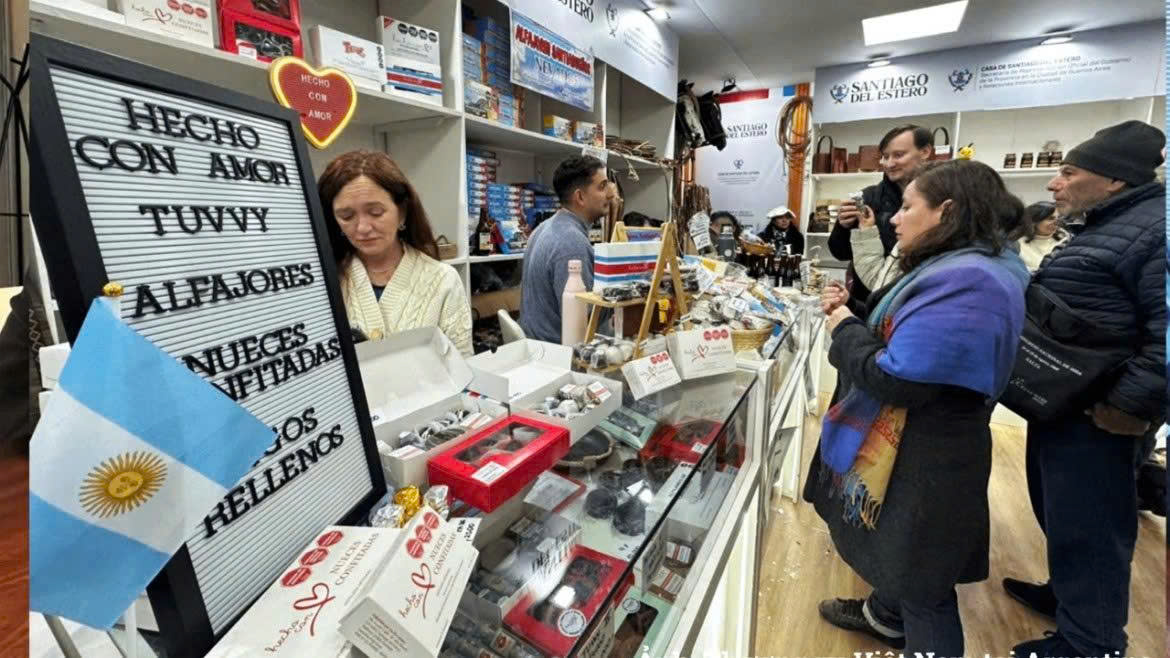
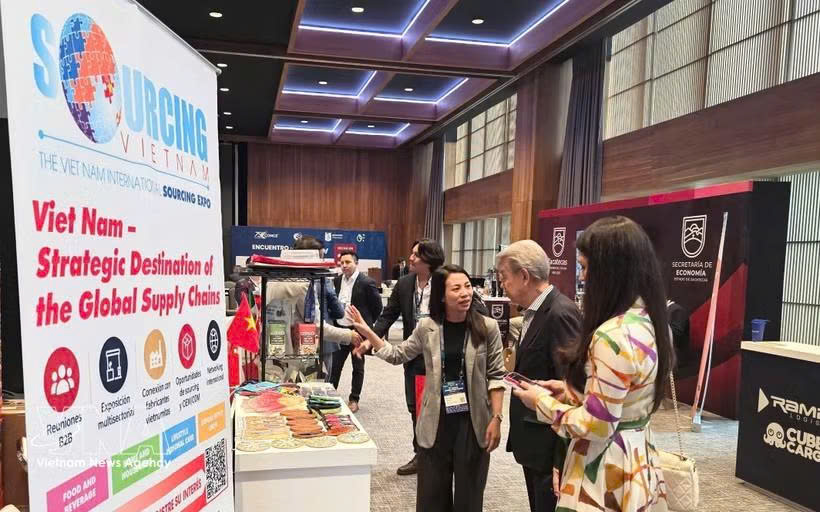
South America is emerging as a market with considerable room for Vietnamese goods, with Argentina, Uruguay and Paraguay offering different demand patterns and strategic advantages.
In the first six months of 2026, Argentina exported around US$1.8 billion to Vietnam and imported US$469 million from the Southeast Asian nation, giving Argentina a trade surplus of about US$1.33 billion. Recent economic reforms, streamlined procedures and the easing of some trade barriers are creating more favourable conditions for foreign goods to enter the market.
Demand in Argentina is growing for electronics and components, machinery, equipment for energy and mining, logistics and infrastructure, areas where Vietnamese manufacturers have growing capabilities.
Uruguay, meanwhile, offers a favourable business environment and a strategic logistics position within the Southern Common Market (Mercosur), potentially providing Vietnamese companies with a platform for reaching wider South American markets.
Paraguay has significant demand for agricultural machinery, industrial equipment, spare parts and products used in processing, creating another avenue for Vietnamese exporters.
Beyond selling products, joining supply chains
Against these different market profiles, product groups seen as having growth potential during 2026-2030 include phones and electronic components, machinery and equipment, supporting industries, seafood and processed foods.
Vietnamese consumer goods such as garments and footwear have already established a presence in these markets. However, they face competition from other suppliers as well as manufacturers within Mercosur. Rather than pursuing volume alone, Vietnamese businesses may therefore find greater opportunities by targeting segments where they have stronger competitive advantages. Official trade data also show that Vietnamese electronics, machinery, footwear and other manufactured products already have a presence in Argentina but with room to expand their market share.
For agricultural products, the strong farming sectors of Argentina, Uruguay and Paraguay make it difficult for Vietnamese goods to compete directly in common commodities.
The stronger opportunities may instead lie in processed coffee, pepper, foods made from tropical agricultural products, beverages, organic products and other higher-value goods.
Crucially, opportunities in these markets are not limited to final consumer demand. Argentina needs equipment for energy, mining and infrastructure projects; Paraguay has room for agricultural machinery and processing equipment; while Uruguay’s logistics position within Mercosur could give Vietnamese businesses access to wider regional markets.
These areas could allow Vietnamese companies to move from selling individual consignments to becoming longer-term suppliers.
A bigger market requires a different approach
Turning these opportunities into actual export growth will require Vietnamese businesses to build long-term partnerships, understand the regulations and market characteristics of each country and connect exports with local projects and supply chains.
Instead of focusing primarily on short-term orders, companies could target opportunities to supply machinery, components, materials or processed products for sectors where Argentina, Uruguay and Paraguay are increasing investment and production capacity.
This approach reflects the distinct strengths of the three markets, with Argentina offering opportunities in machinery, energy and mining; Paraguay having potential in agriculture and food processing; and Uruguay having advantages in regional services and logistics.
By taking advantage of these differences, Vietnamese goods could not only strengthen their presence in individual markets but also reach neighbouring economies through the wider Mercosur network.
Source: VOV