 Tiếng Việt
 English
 中文
 日本語
 한국어

Loc Linh Trade JSC
Average response time: 24h
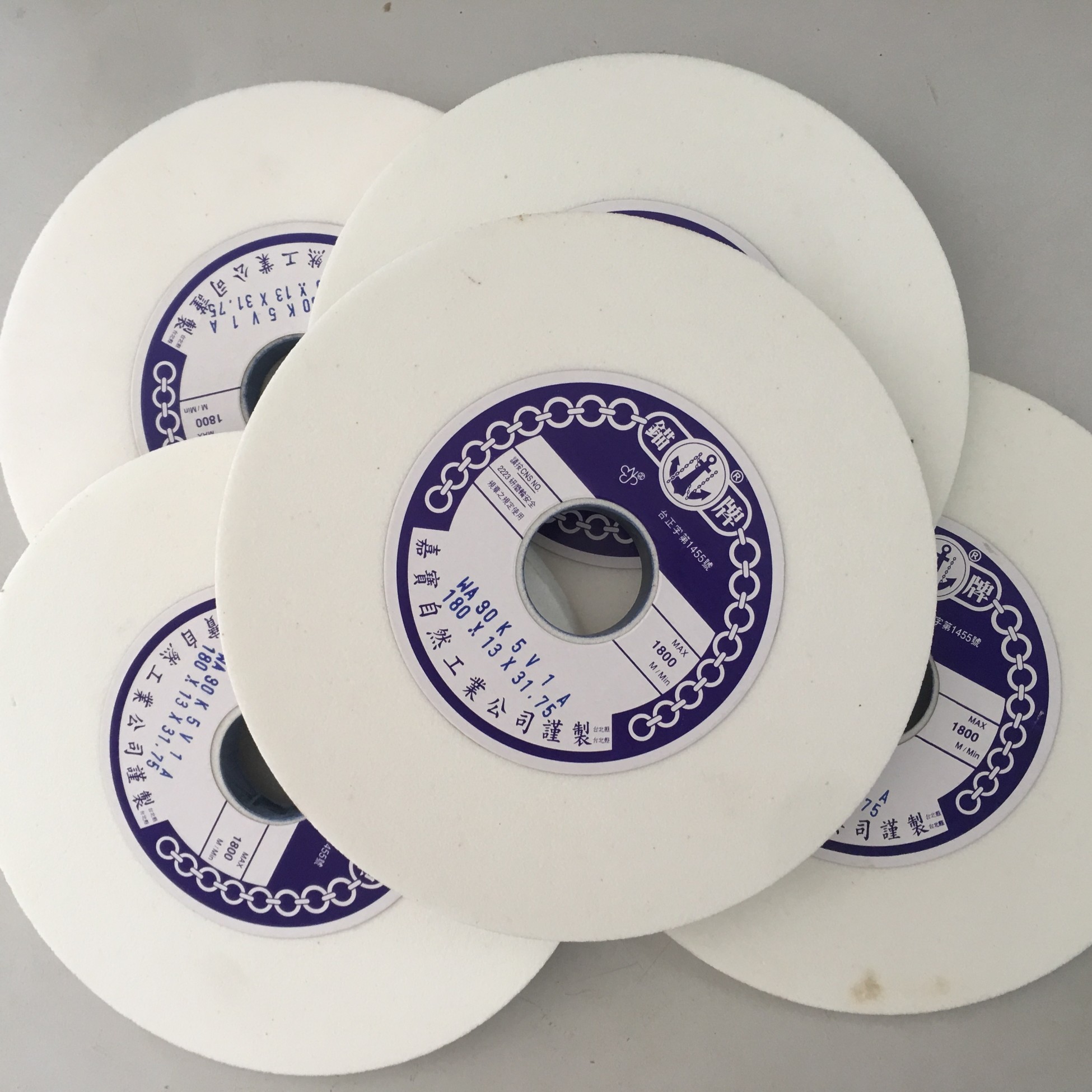
Grinding wheel for hardened steel 180x13x31.75
Mô tả chi tiết
Grinding wheel for industrial steel (pre-heat treatment):
- Specifications: Ø 180/200 x 20/13 x 31.75
- Grit size: #46, #80, #100, #120
- Usage: Grinding cutting tools, flat components, and general mechanical flat surfaces.
Grinding wheel applications:
Grinding, as a finishing process, dates back approximately 2 million years to when prehistoric tools were created using chipping and abrasion techniques. Natural abrasive grains were used until the 1980s, when ores began to be mined and processed to manufacture Al2O3 and SiC. Synthetic abrasive grains offer significant advantages over natural ones, as impurity levels and grain quality can be precisely controlled during production. The abrasive manufacturing industry has gained the ability to tailor properties—such as grain size and durability—to suit various grinding applications.
During World War II, the inconsistent supply of natural diamonds for grinding wheels drove research into alternative materials. In 1955, major breakthroughs in abrasive material development led to the successful production of synthetic diamonds. Shortly thereafter, Cubic Boron Nitride (CBN) was developed. Synthetic diamond and CBN are classified as "superabrasives" due to their superior properties, including exceptional hardness, wear resistance, compressive strength, and thermal conductivity.
Today, advancements in science, technology, and mechanical engineering have led to the emergence of numerous new materials designed to meet increasingly stringent requirements regarding physicochemical and specialized properties. However, these materials often exhibit poor machinability, while the components themselves demand higher standards of quality and precision. Consequently, the scope of application for grinding processes continues to expand.
In modern mechanical manufacturing, grinding plays a significant role, with grinding machines accounting for approximately 30% of all metal-cutting machinery. This is particularly evident in the ball bearing industry, where grinding operations constitute about 60% of the entire manufacturing process.
Gửi yêu cầu đến công ty này

IPAVIETNAM
Hotline/Zalo: 083-555-3388
WeChat ID: fdivietnam