 Tiếng Việt
 English
 中文
 日本語
 한국어

Khue Nam Technology Science Services Co., Ltd
Average response time: 24H
Salmonella Testing in Livestock and Poultry Meat
Detailed description
SALMONELLA TESTING IN LIVESTOCK AND POULTRY MEAT
Salmonella testing in livestock and poultry meat is the process of detecting, quantifying and serotyping Salmonella bacteria in meat. This is a mandatory microbiological criterion to ensure food hygiene and safety and to protect consumer health.
1. What is Salmonella? How dangerous is it?
Salmonella is a dangerous intestinal pathogen in humans. Typical symptoms: diarrhea, high fever, abdominal pain, nausea, vomiting.
According to the U.S. CDC, each year about 1.35 million people in the U.S. and 150 million people worldwide are infected with Salmonella. The main causes are eating undercooked meat, eating foods cross-contaminated between raw and cooked foods, or drinking fecally contaminated water.
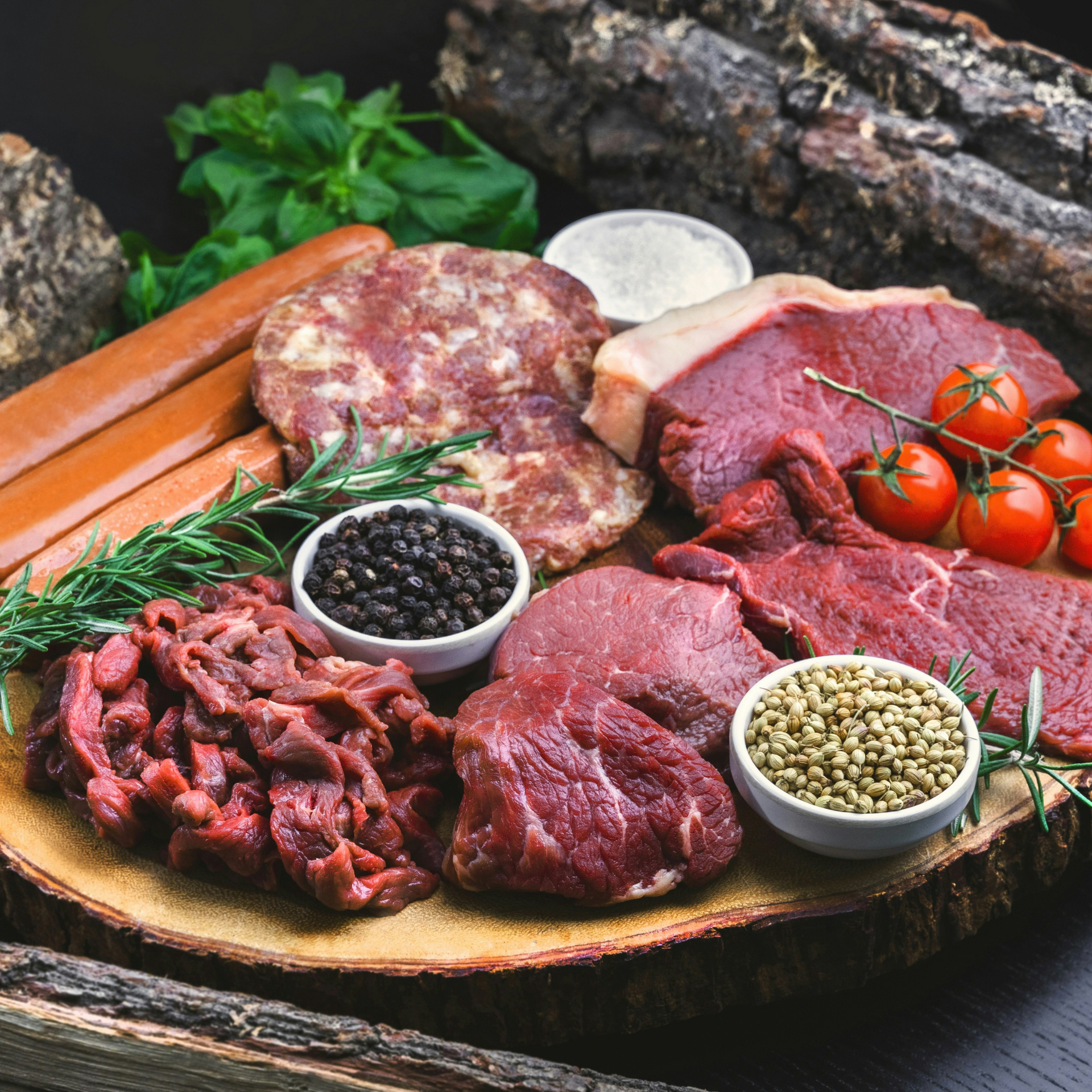
The bacteria can occur in any kind of raw meat, most commonly in poultry meat: chicken, duck, muscovy duck, goose, and in livestock meat: beef, pork. During slaughter, if not properly cleaned, bacteria spread into the environment and adhere to meat and poultry eggs. During processing, failure to wash hands and failure to separate raw and cooked knives and cutting boards can cause cross-contamination from raw to cooked foods, where bacteria multiply very rapidly, producing toxins — the greater the bacterial load, the greater the danger.
In January 2025, Blue Ridge Beef - USA had to recall 5,700 lbs (approx. 2,585 kg) of ground beef for pets in 8 states due to positive Salmonella results, and the FDA issued a recall and safe-destruction warning.
2. Why is Salmonella testing mandatory?
Under the 2010 Law on Food Safety, organizations and individuals producing and trading livestock and poultry meat must test food safety and obtain conformity certification before placing products on the market.
To prevent bacterial contamination, establishments must comply with the microbiological contamination limits for food under QCVN 8-3:2012/BYT.
Testing helps businesses to:
- Complete dossiers for self-declaration, conformity declaration and state inspection
- Control slaughtering, preservation, transportation and processing
- Reduce risks of recall, penalties and loss of brand reputation
- Increase credibility for entry into supermarkets, industrial canteens and export markets
3. Testing criteria and methods at Khue Nam
KHUE NAM Technology Science Services Co., Ltd. provides a full package:
- Detection of Salmonella spp. in 25g of meat
- Quantification of Salmonella by miniaturized MPN technique
- Serotyping / serotype identification of Salmonella spp.
In strict accordance with:
- TCVN 10780-1:2017 (ISO 6579-1:2017) - Part 1: Detection of Salmonella spp.
- TCVN 10780-2:2015 (ISO/TS 6579-2:2012) - Part 2: Quantification
- TCVN 10780-3:2016 (ISO/TR 6579-3:2014) - Part 3: Serotyping of Salmonella spp.
Applicable to: fresh, frozen beef, pork, chicken, duck, muscovy duck, goose, ground meat, processed meat, poultry eggs, contact-surface samples and rinse water.
Send inquiry to this company

IPAVIETNAM
Hotline/WhatsApp: +84-83-555-3388
WeChat ID: fdivietnam