 Tiếng Việt
 English
 中文
 日本語
 한국어
Vo Cuc Technology Co., Ltd
Average response time: 24H
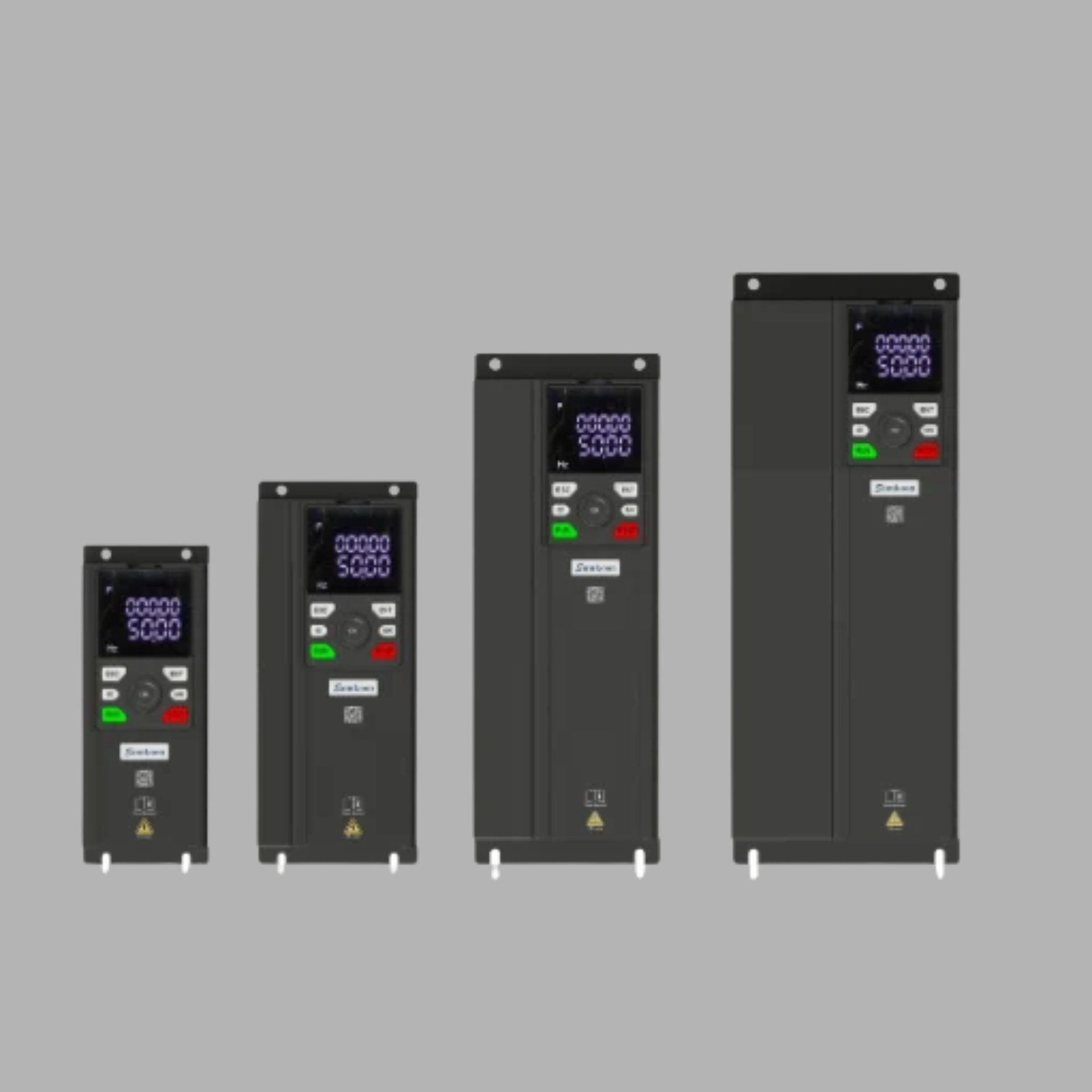
Samkoon Inverter
Detailed description
1. Technical specifications
- Input voltage: 1-phase 220V, 3-phase 220V, 3-phase 380V.
- Power range:
1-phase 220V: 0.4kW – 2.2kW.
3-phase 380V: 0.75kW – 400kW (G-type / Heavy-duty) / 1.5kW – 450kW (P-type / Pump & Fan load).
- Control mode: Open-loop Vector Control (SVC) and V/F Control.
- Output frequency: Maximum 500Hz; Speed accuracy ±0.5% (Speed regulation ratio 1:100).
- Overload capacity (G-type): 150% for 60 seconds, 180% for 10 seconds.
- Communication & I/O: RS485 (Modbus RTU), 5 DI (supports 1 high-speed pulse input up to 100kHz), DO, Relay Output, AI (0–10V / 0–20mA), and AO.
2. Applications
- Conveyors: Ensures smooth operation, flexible speed adjustment, and eliminates mechanical jerks during start/stop.
- Water pumps & HVAC (exhaust fans, ventilation fans): Integrates with pressure/flow sensors for automatic speed regulation, optimizing energy efficiency.
- Air compressors & Heavy-duty starting loads: Meets high inrush current and high load torque requirements.
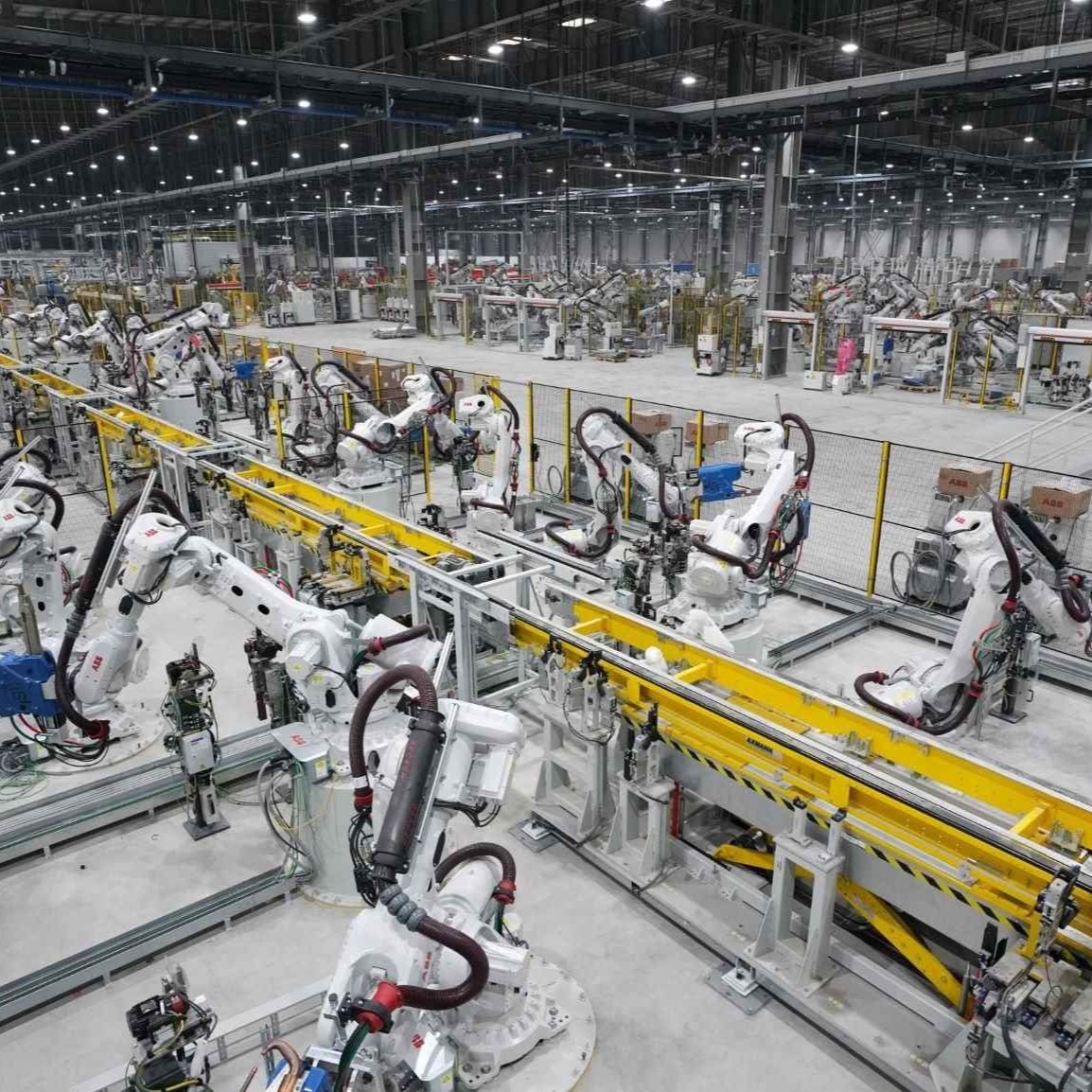
- Automation lines: Winding machines, cutting machines, packaging machines, etc., thanks to high-speed pulse reception and easy connection to PLCs/HMIs.
3. Key features
- Energy saving: Reduces electricity costs by 10% – 30% through frequency adjustment based on actual load demand.
- Motor potection: Soft Start functionality reduces sudden inrush currents and eliminates mechanical shocks.
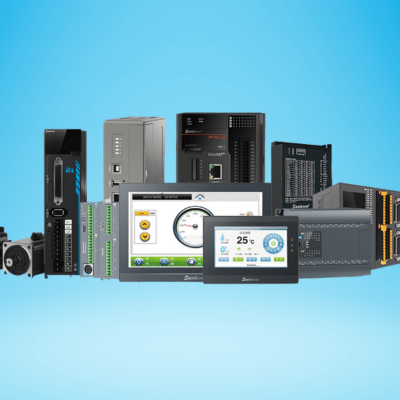
- Synchronous ecosystem integration: Seamless and precise connectivity with Samkoon HMIs and PLCs.
- Comprehensive safety protection: Automatic protection against overcurrent, overvoltage, undervoltage, overheating, and overload.
- Cost optimization: Competitive pricing, high durability, and low fault rates help optimize both capital expenditure and operational costs.
4. Operating precautions
- Proper load selection (G/P): Choose G-type for applications requiring high starting torque (conveyors, compressors, cutting machines) and P-type for variable loads (pumps, fans) to maximize cost efficiency and lifespan.
- Installation environment: Install the inverter in a dry, well-ventilated area, free from metallic dust, moisture, or corrosive chemicals to ensure proper heat dissipation.
- Wiring & Technical setup: Strictly follow the wiring diagram (input/output power supply, anti-interference grounding) and correctly program motor rated parameters on the inverter before trial runs.
- Periodic maintenance: Regularly clean cooling fans, check terminal block and wire lug tightness, and monitor operating conditions to detect abnormalities promptly.
Send inquiry to this company

IPAVIETNAM
Hotline/WhatsApp: +84-83-555-3388
WeChat ID: fdivietnam